Introduction
In today’s industrial heating landscape, process efficiencies, precision, and sustainability matter more than ever. If you’re still relying on legacy steam or fossil-fuel thermal systems, it’s time to consider a powerful alternative: an electric thermal oil boiler. Designed for high-temperature applications, low-pressure operation, and accurate control, these systems are increasingly the go-to for manufacturers across plastics, non-woven textiles, chemical, and food processing sectors.
In this article we’ll explore what an electric thermal oil boiler is, why it beats traditional systems, and how you can evaluate, select and implement one with confidence.
What is an Electric Thermal Oil Boiler?
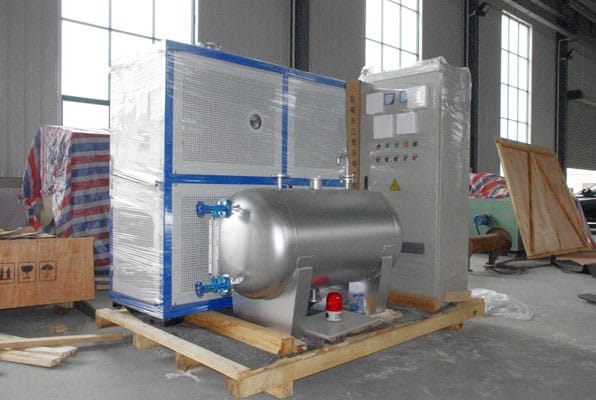
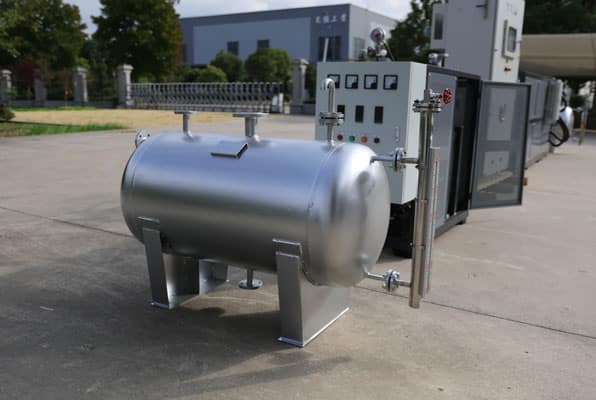
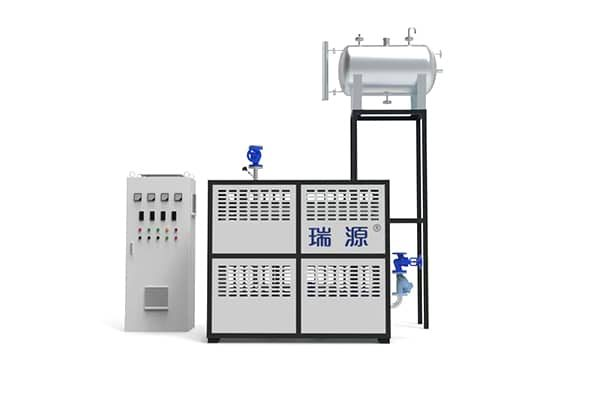
At its core, an electric thermal oil boiler uses heat-transfer oil as the medium to distribute heat throughout a process. Unlike steam systems which rely on high pressure and water, a thermal oil system runs at significantly lower pressure while reaching high temperatures. That advantage becomes even more compelling when you replace the burner or fossil fuel-based heating with electric heating elements.
Key characteristics include:
- Closed-loop circulation of high-temperature oil via a pump
- Electric heating elements (such as flange heaters or seamless tube elements) that transfer heat into the oil
- Precision temperature control via PLC/PID systems (often ±1 °C accuracy)
- Thermal efficiencies of ≥ 98% – meaning very little energy wasted as heat loss
- Lower operating pressure, reducing safety risks and system complexity
Multiple sources confirm these benefits. For instance, one article highlights that thermal oil systems operate at lower pressure and higher temperature than steam boilers. Raadman Industrial Group+1
Why Manufacturers Are Switching to Them
1. Enhanced Energy Efficiency & Lower Operating Cost
Electric thermal oil boilers deliver high thermal efficiency (≥ 98%) by design. The closed-loop nature, combined with direct electrical heating, means you avoid many losses associated with steam generation, condensate treatment, and combustion inefficiencies. This efficiency translates into lower electricity bills and less waste heat.
2. Precision Temperature Control
Industrial processes like plastic extrusion, non-woven fiber production, or chemical reactors demand tight temperature tolerances. With PLC/PID control modules and solid -state heating regulation, modern electric thermal oil boilers maintain ±1 °C accuracy in many cases. That precision reduces product defects, improves consistency, and supports higher quality outputs.
3. Safety & Lower Pressure Operation
By using heat-transfer oil instead of steam, the system requires much lower pressures while still reaching high temperatures. This reduces the risk of explosive incidents, minimizes heavy infrastructure requirements, and simplifies installation and maintenance. Some sources emphasise this lower‐pressure benefit as a key advantage. epcbsteamboiler.com+1
4. Cleaner and More Flexible Installation
Without the need for fuel combustion, electric versions eliminate flue-gas emissions, combustion air supply, and associated safety apparatus. They also integrate more easily into retrofits or for clean-room/food-industry environments. For example, a case study in the laundry/ironing industry showed a shift from gas boilers to electric thermal oil heaters for improved sustainability. Pirobloc
How to Evaluate & Choose the Right System
When selecting an electric thermal oil boiler, consider the following critical factors:
Power & Capacity
Define the required heat load (kW) for your application. Many systems range from 10 kW to 4,200 kW (or more) depending on design. Make sure the supplier can customise to your capacity.
For example: “Custom electric thermal oil boiler 10-4200 kW” is a common specification in procurement.
Temperature Range & Control Accuracy
Does your process require ±1 °C accuracy? Are you operating at 300-450 °C? Ensure the system’s temperature control and PID loop meet your requirements.
Heating Method & Medium
Check whether the system uses flange heaters, seamless tube elements, or other electric-heating modules. Confirm the oil type and its compatibility with your process.
Material & Construction
All-welded stainless-steel or carbon-steel bodies are standard. For corrosion-prone or high-purity environments, higher-grade materials may be needed.
Maintenance & Serviceability
Look for modular designs with easy access to heating elements, pumps, and valves. Flange-mounted heaters improve maintenance speed and reduce downtime.
Safety & Compliance
Verify interlocks, over-temperature protection, vacuum or low-pressure safety systems and industry certifications.
Supplier Support & Customisation
Since many industrial applications are unique, your supplier should offer customisation — in size, power rating, control logic, and integration into your plant control system (DCS/PLC).
Real-World Applications Worth Noting
- Plastic extrusion & molding: Uniform and accurate heating mains enable better melt quality, improved throughput and less scrap.
- Non-woven/spunbond fiber lines: Precise temperature controls maintain spinneret hole integrity and fibre consistency.
- Chemical and pharmaceutical reactor heating: Maintains stable process temperatures without high steam pressures.
- Drying & lamination lines: Continuous operation with minimal heat loss and accurate control ensures consistent product quality.
Implementation Checklist Before Purchase
- Determine your required heat duty (kW) and operating temperature range.
- Specify whether electric heating is mandatory (for emission or fuel-type reasons).
- Map your plant’s footprint, utilities, oil distribution loops, and integration with controls.
- Request detailed specs: thermal efficiency, accuracy, power range, oil type, pump, expansion tank.
- Review service intervals, spare parts availability, and how easily heaters can be replaced.
- Consider lifecycle cost: balance higher upfront cost of electric vs. reduced fuel/maintenance costs.
Conclusion
If you’re looking to upgrade your industrial heating infrastructure — whether in plastics, non-wovens, chemicals or food processing — an electric thermal oil boiler offers a compelling blend of precision, safety, efficiency and flexibility. With proper specification and supplier support, you can achieve higher product quality, lower operating costs and future-proof your operation.
Want to discuss your specific application or get a custom quote? Contact us at WhatsApp: +86-19106101572 or Email: sabbir@cnryan.com — we’ll help you design the right system for your unique needs.