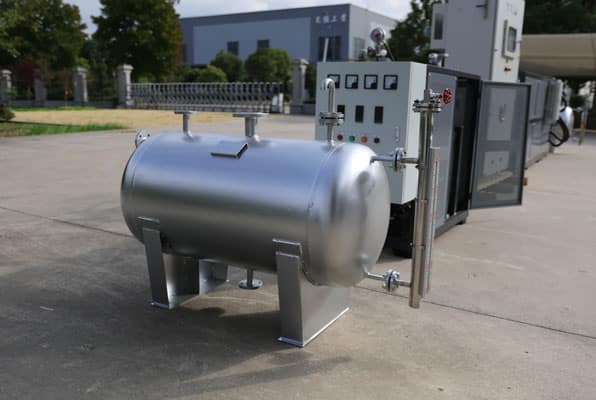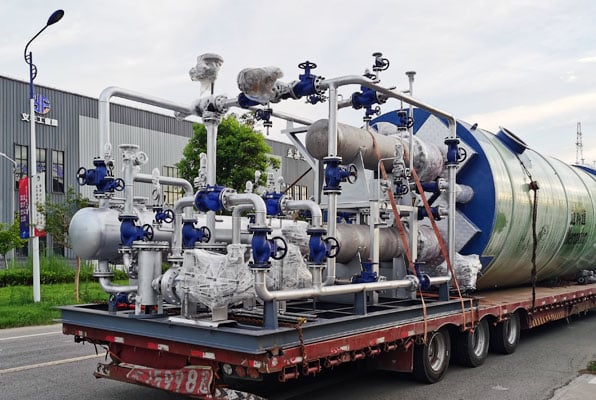
For manufacturers comparing process-heating options, electric thermal oil boilers are increasingly worth serious consideration. Companies such as Chinaryan position themselves around electric heating systems, customized industrial heating solutions, and export-focused manufacturing, while the current product catalogue shows a broad mix of thermal oil boilers, air heaters, preheating furnaces, and vacuum cleaning equipment.
Industrial plants today need more than just heat. They need stable temperature control, safer operation, lower maintenance, and dependable long-term performance. That is why the choice between an electric thermal oil boiler and a gas-fired boiler matters so much.
In this guide, we’ll compare both systems and explain where each one fits best in a modern production environment.
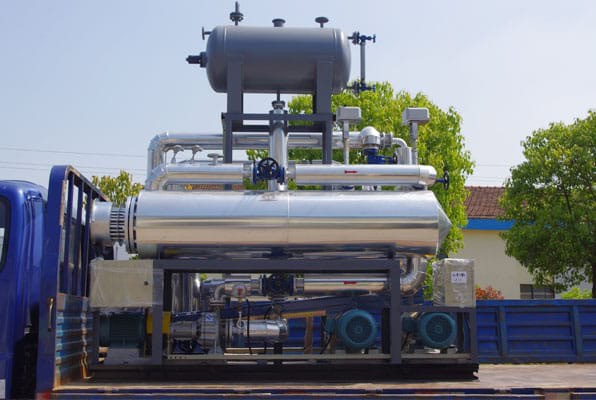
What Is an Electric Thermal Oil Boiler?
An electric thermal oil boiler is an industrial heating system that uses electricity to heat thermal oil, also called heat transfer fluid. The heated oil circulates through a closed loop and delivers stable process heat to the target equipment.
This type of system is commonly selected for processes that require:
- stable temperature control
- clean heating without direct combustion
- lower-pressure operation than steam systems
- easier integration into automated production lines
For plants already researching suppliers, browsing a focused thermal oil boiler category page is often more useful than starting from a generic catalog because it keeps the buying journey aligned with one product family.
What Is a Gas-Fired Boiler?
A gas-fired boiler burns natural gas or another fuel source to create heat, hot water, or steam. Gas systems remain common in large industrial facilities because they are established, familiar, and capable of very high output.
They are still a strong fit for some facilities, especially where fuel infrastructure is already in place. But they also introduce combustion-related complexity, additional safety controls, emissions considerations, and more maintenance around burners and fuel systems.
Electric Thermal Oil Boilers vs Gas-Fired Boilers
Here is a practical comparison:
| Feature | Electric Thermal Oil Boiler | Gas-Fired Boiler |
|---|---|---|
| Heating method | Electric heating elements | Fuel combustion |
| Process control | Very precise | Good, but can be less stable |
| Safety profile | No open flame or fuel combustion | Requires combustion safety systems |
| Maintenance | Lower mechanical complexity | Higher due to burners and fuel train |
| Emissions on site | No direct combustion emissions | Produces combustion emissions |
| Best for | Precision process heating | Large legacy boiler environments |
For many modern factories, the decision comes down to whether they value precision, cleaner operation, and simplified maintenance more than the familiarity of combustion-based heating.
Why Many Industrial Buyers Are Moving Toward Electric Heating
1. Better Temperature Stability
Many industrial processes depend on repeatable thermal performance. Electric thermal oil systems are often chosen because they can provide tighter temperature control, which matters in:
- chemical production
- textile processing
- die-casting
- plastics and polymer manufacturing
- drying and curing applications
Chinaryan’s home page explicitly positions its electric thermal oil systems as suited to high-temperature, stable-output industrial processes.
2. No Combustion at the Point of Heat Generation
One reason electric systems appeal to plant engineers is the absence of direct combustion in the heating unit itself. That can simplify certain safety and facility planning requirements compared with gas-fired systems.
3. Lower Routine Maintenance
Gas-fired systems usually require more frequent attention to burners, valves, fuel supply systems, flame monitoring, and combustion tuning. Electric systems often reduce that maintenance burden because the operating architecture is simpler.
4. Easier Integration Into Specialized Systems
Many buyers do not purchase a boiler in isolation. They purchase a full process-heating setup that may also include air handling, preheating, or downstream thermal equipment. Chinaryan’s current catalogue reflects that broader industrial setup by listing not only thermal oil boilers but also industrial air heaters and related heating equipment.
Where Electric Thermal Oil Boilers Make the Most Sense
Electric thermal oil systems are especially attractive when your plant needs:
- precise temperature control
- compact system design
- lower-maintenance process heat
- a combustion-free heating approach
- custom-engineered solutions for specific lines or machinery
They are often a good fit for plants heating:
- asphalt tanks
- dryers
- hot press machines
- reactors
- heat exchangers
- specialized industrial processing lines
The Chinaryan site currently features thermal oil boiler use cases for asphalt tanks, dryers, and hot press applications on its shop and home pages.
Do Not Ignore Related Air Heating Needs
In many factories, the real buying decision is not just “boiler or no boiler.” It is “what combination of thermal oil heating and air heating best supports the process?”
That is why it can be smart to cross-link this article to air heater solutions. For example, Chinaryan has a live 200 KW ducted air heater product page describing a 380V industrial unit built for duct integration, process heating, ventilation systems, industrial drying, and high-capacity air heating applications.
This is valuable for SEO because buyers often compare multiple heating approaches before submitting an inquiry.
How to Choose the Right System for Your Plant
Before selecting either an electric thermal oil boiler or a gas-fired boiler, define these points clearly:
Required heat load
Know the kW requirement of the full process, not just one machine.
Temperature range
Different processes need different temperature limits and stability tolerances.
Operating environment
Hazardous areas, ventilation limits, and installation space all affect system design.
Automation and controls
If your line depends on tight process automation, electric systems often offer an advantage.
Maintenance capacity
Choose the system your team can realistically maintain without unnecessary downtime.
Expansion plans
If your plant may scale, choose a system family that allows customization or future upgrades.
Why This Topic Is a Strong SEO Opportunity for Chinaryan
This blog works well for SEO because it connects:
- a high-intent industrial buying keyword
- a clear educational comparison
- direct product/category links
- a natural path from research to inquiry
It also supports internal linking across the site, especially to:
- Chinaryan home
- thermal oil boiler category
- shop / full product catalogue
- air heaters category
- About page
- Contact page
Those routes are consistent with the site’s current navigation structure.
Conclusion
Both electric thermal oil boilers and gas-fired boilers have a place in industrial operations. But for plants focused on temperature precision, cleaner operation, and lower maintenance complexity, electric thermal oil systems are often the more attractive option.
For buyers actively researching suppliers, the best next step is to review a specialized thermal oil boiler range, explore the broader industrial heating catalogue, and then contact the Chinaryan team with your process requirements for a tailored recommendation.